The SaaSpocalypse and the Rise of Personal Software

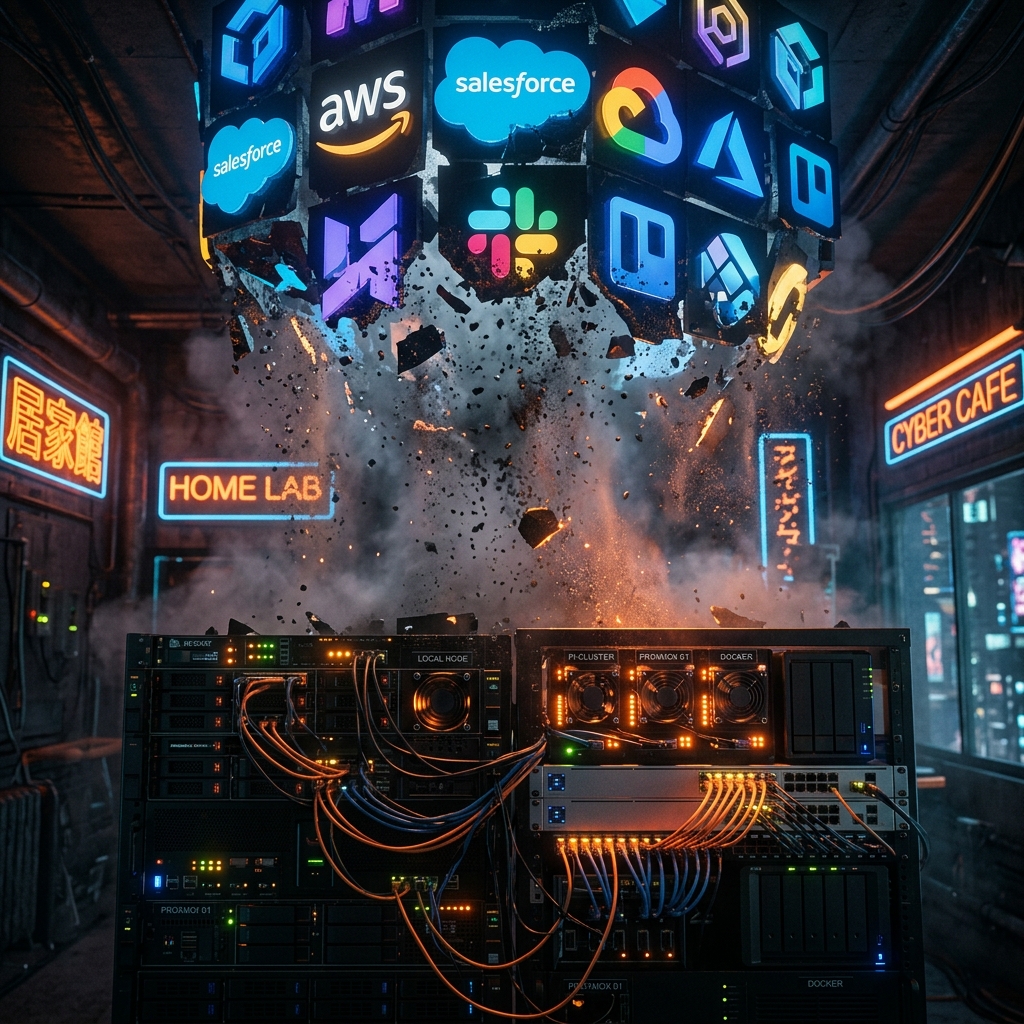
Table of Contents
For two decades, the software industry operated under the rental model. Software-as-a-Service (SaaS) became the default distribution system. We stopped owning our applications and started leasing them. Every tool, from note-taking apps to inventory trackers, turned into a recurring monthly charge. Data was locked behind proprietary formats and hosted on foreign cloud databases.
This rental paradigm has created a bloated B2B ecosystem. Companies pay thousands of dollars a month for multiple niche SaaS tools that do not integrate properly.
We are entering the SaaSpocalypse. This is the imminent collapse of generic SaaS monopolies, driven by the emergence of Personal Software.
The SaaS Collapse
Why do companies pay $50 per user, per month, for a project management tool, a customer relationship manager (CRM), or a simple invoicing app? Historically, they did it because building custom software was too expensive. It required teams of developers, UI/UX designers, database architects, and weeks of engineering effort.
Generative AI destroys this economic barrier. Today, anyone can spin up a fully functional web application by describing their requirements in natural language. You do not need coding experience or design skills.
If an operations manager can describe their company’s workflow to an AI model and receive a custom-built, perfectly tailored database application in ten minutes, the B2B SaaS model loses its foundation. Why rent a generic CRM when you can generate a bespoke one for free?
This shift will collapse the valuations of hundreds of generic SaaS startups that function as simple wrappers around databases. The software itself is becoming commoditized. Value is shifting away from the application code and moving back to the owner’s data and context.
The Concept of Disposable Software
Personal software introduces a new concept: disposable software.
In the corporate model, software is built to be permanent, scaling to millions of users. It must handle edge cases, localization, and enterprise compliance. This makes applications heavy, complex, and slow to change.
Disposable software is built for a specific task, a single user, or a small team. It does not need to scale. It only needs to solve your immediate problem.
For example, if you are planning a single marketing campaign with unique data constraints, you do not need to purchase a campaign management tool. You generate a custom dashboard, use it for the duration of the campaign, and delete it when the campaign is complete. The software is treated like a scrap paper calculation: cheap, highly specific, and disposable.
This level of customization respects human focus. You are no longer forced to adapt your daily workflows to match the rigid templates of a commercial software vendor. The software adapts to you.
Reclaiming Software Sovereignty
At JULZ, founded in Kenya in 2016, we see personal software as a massive step toward digital sovereignty. When you generate and host your own tools, you eliminate foreign SaaS subscriptions. You reclaim custody of your data.
Through The Forge, we are developing local-first templates and homelab server configurations. Our goal is to make deploying these generated personal tools simple and secure. Instead of hosting your custom applications on cloud platforms that track your usage, you host them on a silent Mini PC sitting in your study.
We believe that software should be an extension of your mind, not a rented utility. The era of corporate software monopolies is ending. The age of personal, sovereign software has begun. The tools are ready, and it is time to build your own stack.