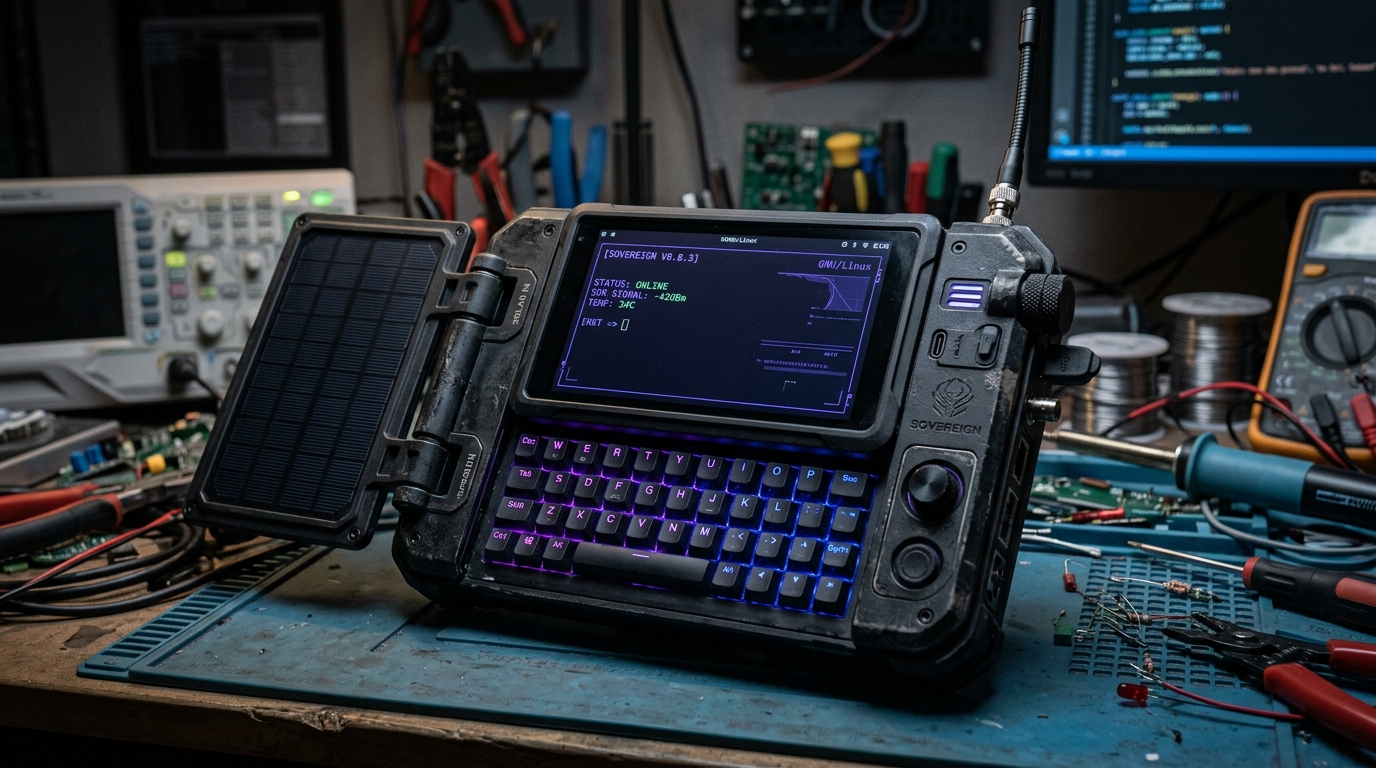
I explore the detailed architectural blueprint of a modular, repairable cyberdeck designed to act as a personal Linux workstation, an SDR scanner, and an AI terminal that borrows VRAM from nearby mesh nodes.
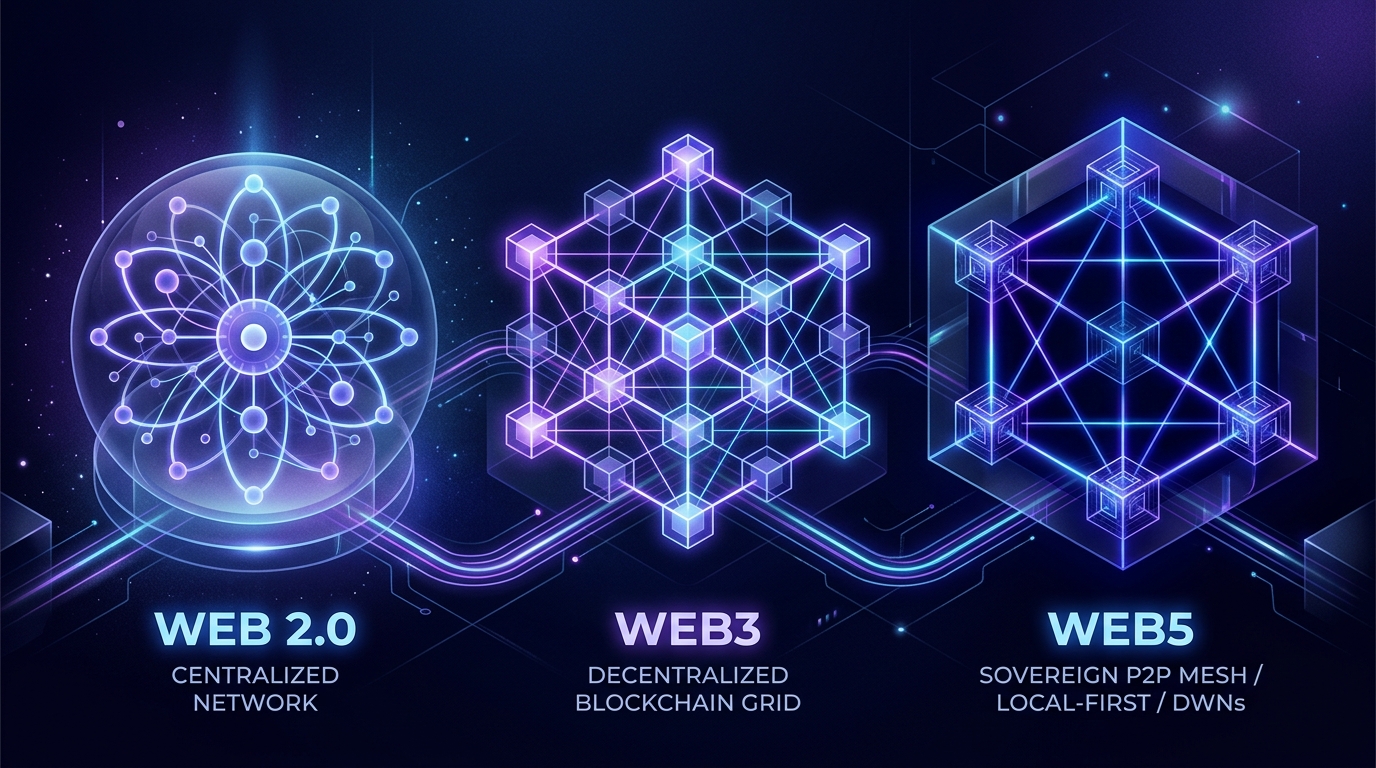
We examine the architectural shift from centralized platform silos (Web 2.0) and blockchain networks (Web3) to tokenless, sovereign Decentralized Web Platforms (Web5), pulling insights from industry leaders.

We explore the rise of personal software, the decline of rented SaaS monopolies, and how AI allows creators to build bespoke, disposable software on their own terms.
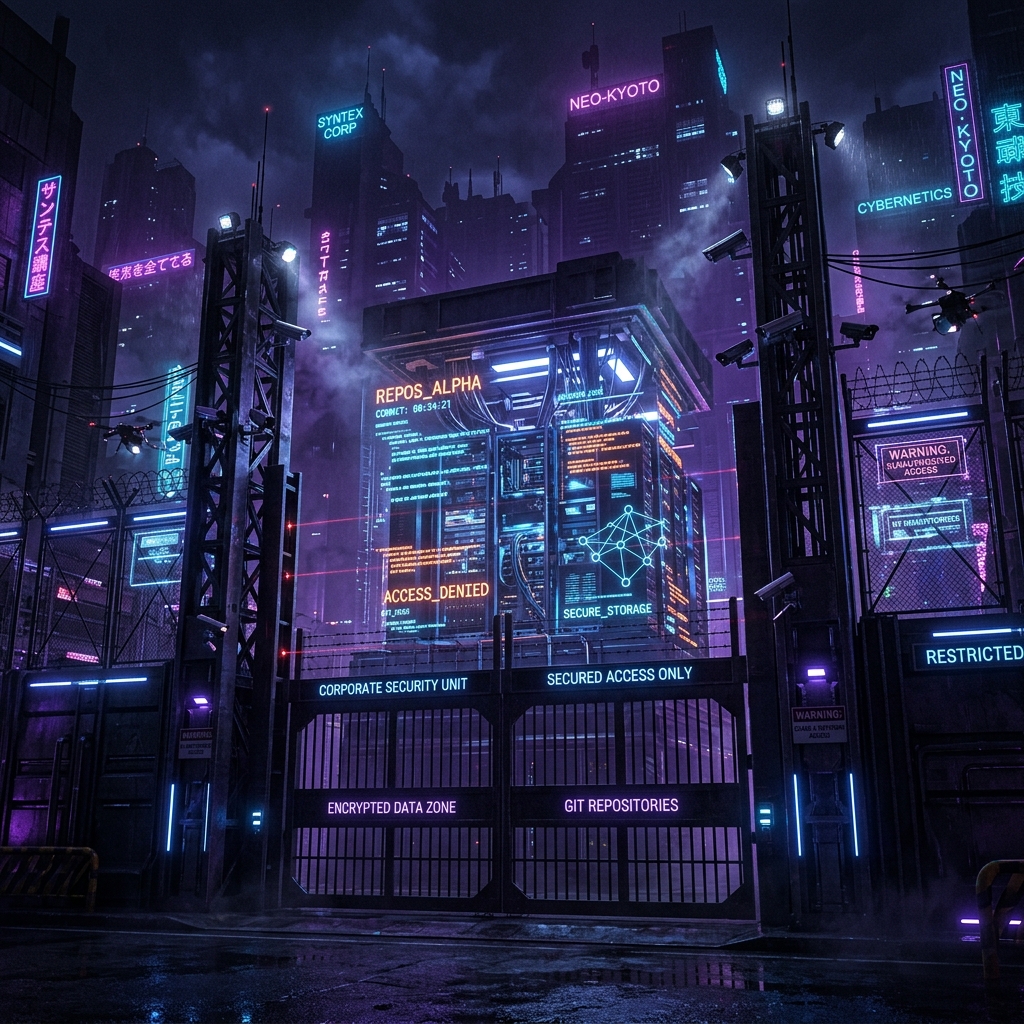
We analyze the negative impacts of generative AI on the open-source ecosystem, detailing spam PRs, bounty abuse, license laundering, and the retreat behind closed gates.

We analyze how managed open-source business infrastructure is transforming modern enterprise, and how Julz Insight operates as Africa’s Digital Sovereignty Engine.

We analyze the growing homelab and cloud-exit trend, referencing DHH's migration at 37Signals, the rise of mini PCs, and the ecosystem of sovereign OS (CasaOS, ZimaOS, UmbrelOS).

We examine the cybernetic loop of algorithmic feedback, analyze how it modifies human behavior, and explore methods for protecting our cognitive liberty.

We explore the fragile state of centralized server infrastructures, and show how we can build self-healing networks by modeling mycelial biological networks and cellular automata.
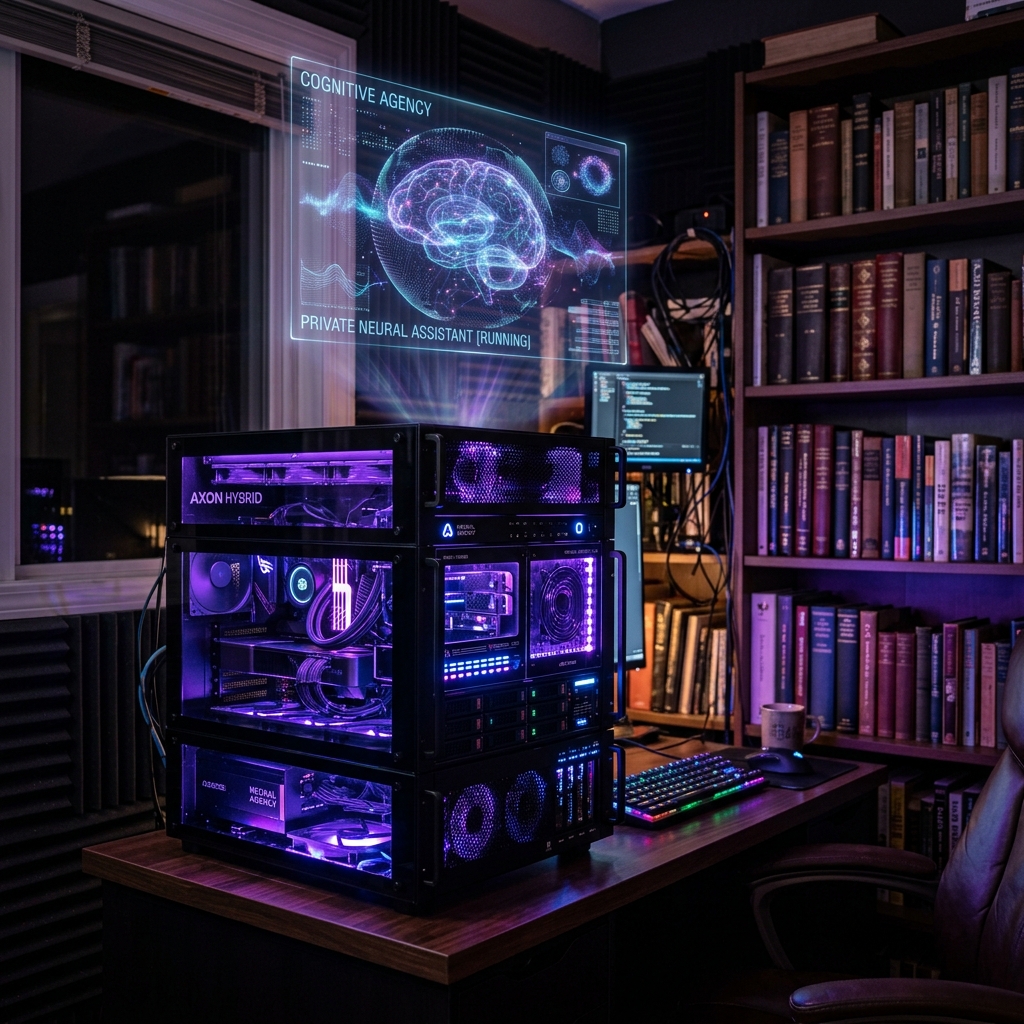
We analyze the privacy and cognitive risks of centralized AI systems, and lay out the architecture for self-hosted, personal AI engines using ideas from Daniel Miessler.