Personal AI Infrastructure and the Path to Cognitive Sovereignty
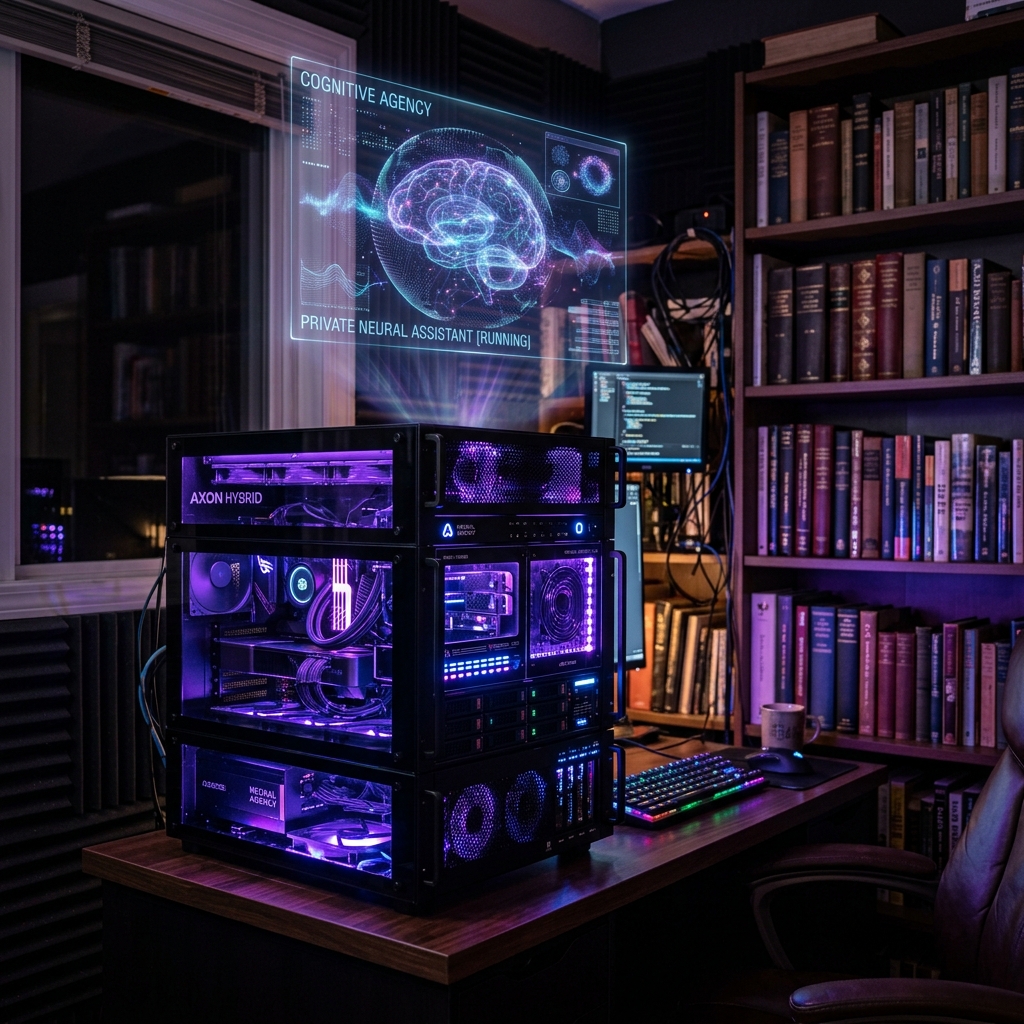
Table of Contents
We are silently surrendering. Every day, millions of us offload writing, thinking, and code compilation to centralized AI platforms. We type proprietary codes, secret formulas, and intimate thoughts into a browser text box. In return, we get formatted summaries.
We ignore the trade. This is a massive cognitive mining operation. We trade our unique personal context for cheap convenience. By letting corporate servers act as external brains, we lock ourselves into dependency.
True independence requires cognitive sovereignty. This starts with owning the computing hardware.
The Corporate Brain Lock
Centralized AI tools create three silent traps:
First, context extraction. Corporate models harvest your intellectual property, journals, and databases to train their future systems. Every interaction is digested by centralized algorithms, turning your private thoughts into raw material for commercial optimization.
Second, algorithmic filtering. Commercial filters shape your output based on the moral frameworks, corporate constraints, and commercial interests of Silicon Valley boards. Your thoughts are pre-filtered, limiting independent, unconventional ideas.
Third, operational dependency. Renting AI means you are subject to the whims of the provider. When API pricing shifts, system prompts are altered, or servers go dark, your personal productivity stack collapses.
Systems writer Daniel Miessler points out that personal AI will eventually integrate with our calendars, emails, and local files. The goal is to build a digital second self. If this assistant lives in a corporate cloud, they own the window to your mind. They monitor your daily intentions, analyze your relationships, and predict your future desires. They do not just own your files: they own your cognitive interface.
The Sovereign Alternative: Local Context, Local Code
At JULZ, established in Kenya in 2023, we reject this centralized framework. A personal assistant must be like a physical study room. Private. Secure. Yours alone. We build local-first alternatives that keep your thoughts secure and unmonitored:
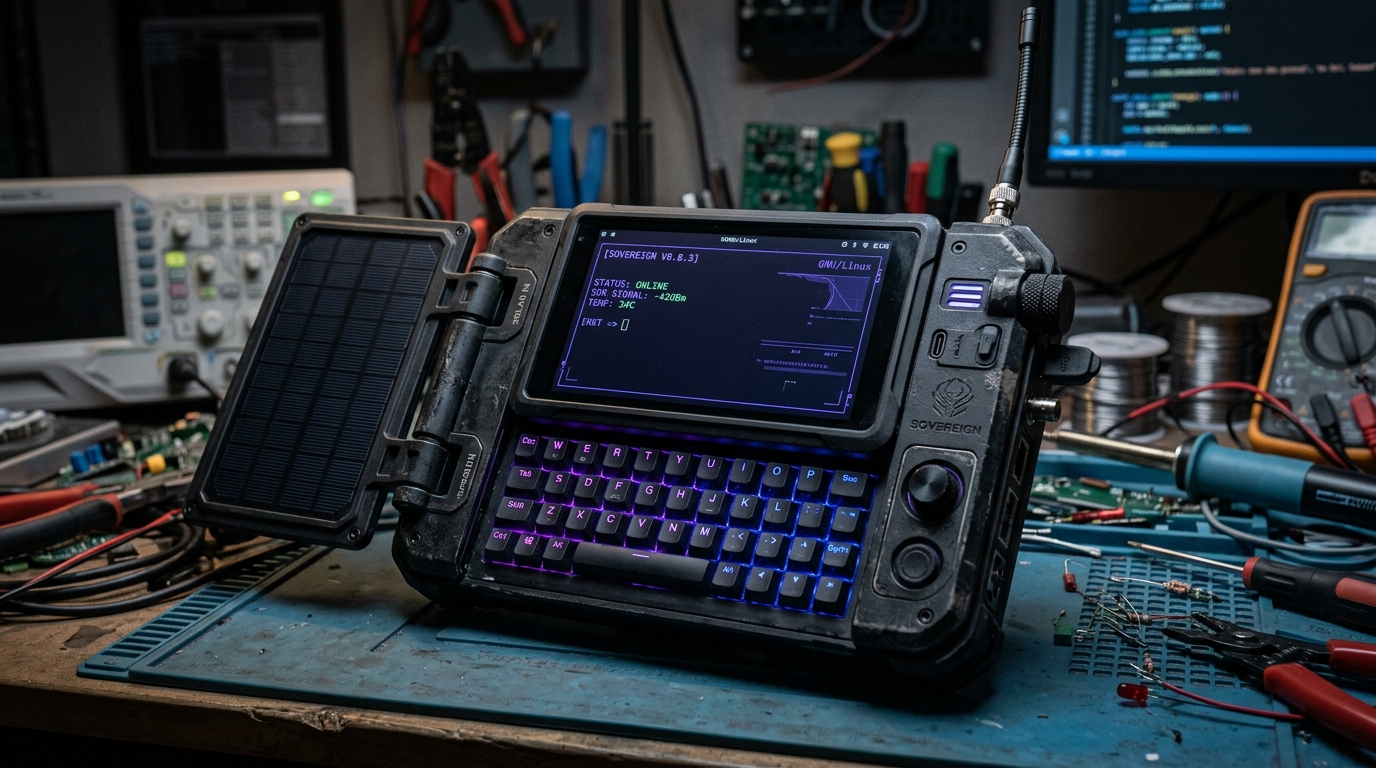
First, self-hosted LLMs. We run open-source models like Llama or Mistral locally on consumer hardware. Thanks to rapid advancements in quantization, modern local machines can run highly capable models offline. This removes the need for constant internet access and prevents external data leaks.
Second, local vector databases. Instead of uploading your documents to corporate clouds, we use local Retrieval-Augmented Generation (RAG). You index your journals, files, and repositories locally. The model queries this local index, keeping the entire reasoning loop on your local machine.
Third, peer-to-peer sync. If you need to sync your personal assistant across multiple devices, we use encrypted, decentralized protocols like Syncthing. This bypasses corporate databases and keeps syncing peer-to-peer.
Designing Sovereign Interfaces
We look at teams like Huly and UNMS. They build clean tools with minimal telemetry. Through Ajulu Labs, we design interfaces that make self-hosting accessible. You do not need to be a systems engineer to protect your mind.
The tools for cognitive sovereignty are already here. It is time to host our own context, protect our thoughts, and build our own sovereign future.